 Retaining walls · Dubuque, IA
Professional retaining wall services in Dubuque, Asbury, Peosta, and Epworth. We build walls that handle Iowa's weather and terrain.
Get my free quoteDubuque sits on steep bluffs above the Mississippi River, and that terrain means retaining walls get put to work. Between the clay soil, 30-plus freeze-thaw cycles every winter, and 36 inches of rain a year, walls need proper drainage and a deep foundation or they fail. We build walls that account for local conditions from the ground up.
Most of the older neighborhoods like the North End, South End, and Eagle Point were built on hillsides before 1920, and a lot of those properties have terraced yards or aging stone walls that need replacing. West End subdivisions in Asbury and Peosta have newer construction but still deal with grading issues and water runoff. Every job starts with understanding the slope, the soil, and where the water goes.
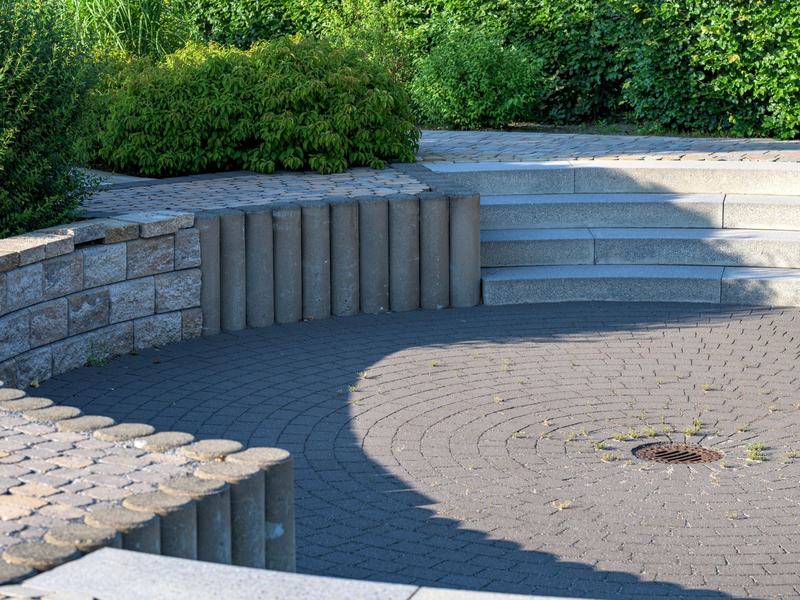
We work with segmental block, poured concrete, natural stone, and timber depending on the site and what you need. Block walls are the most common for residential work because they handle movement well and last 40 years or more when installed right. Proper base prep and backfill drainage matter more than the material itself.
Interlocking concrete block systems that handle freeze-thaw movement without cracking. We use geogrid reinforcement on walls over four feet and engineer drainage behind every installation.
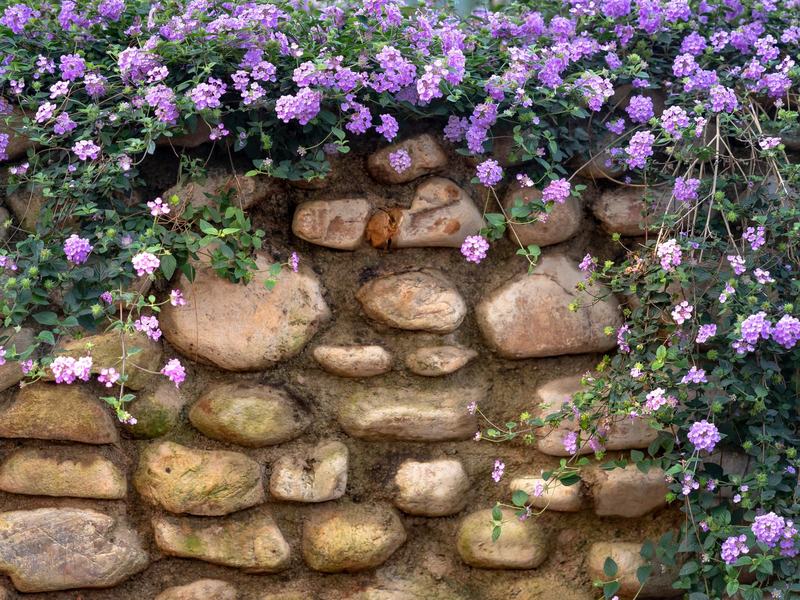
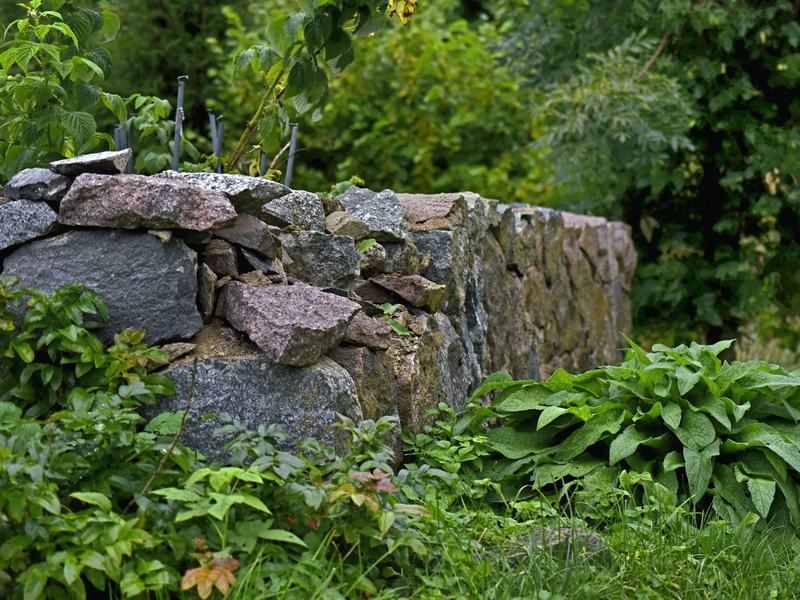
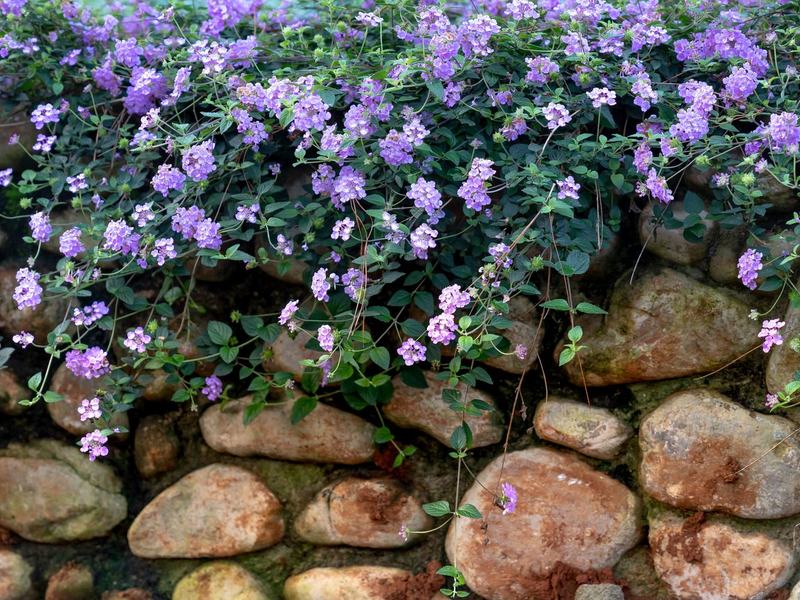
Quarried limestone or fieldstone walls built dry-stack or with mortar. These fit well in older Dubuque neighborhoods and can match existing historic stonework around the property.
Reinforced concrete walls for taller applications or where a solid barrier is needed. We dig below frost line and include weep holes and perimeter drain tile to prevent hydrostatic pressure.
Treated lumber walls for garden beds and terracing on moderate slopes. These are a lower-cost option for shorter walls that don't carry a structural load.
We fix leaning, cracked, or failing walls by addressing the drainage problem and rebuilding the base. Often the original wall had no gravel backfill or the footer was too shallow for Iowa frost.
French drains, catch basins, and downspout routing to move water away from walls and foundations. Water management is half the job on any hillside property in Dubuque.
Clay loam with limestone bedrock close to the surface means you need crushed stone base and proper compaction. We account for soil conditions on every wall we build.
Dubuque gets 140 nights below freezing and heavy snow. We dig footers below the frost line and use free-draining aggregate so frost heave doesn't push walls out of place.
We have completed retaining wall projects throughout Dubuque, Asbury, Peosta, and surrounding towns. We can provide references from jobs in your neighborhood.
You get a written estimate that breaks down materials, labor, and site prep. We show up when scheduled and clean up the site when the job is done.
Dubuque averages 37 inches of snow and more than 30 freeze-thaw cycles every winter, which means frost penetrates deep and ice lenses form in clay soil. Any retaining wall footer needs to go down at least 42 inches to get below the frost line. Walls built without deep footers will heave and tilt within a few years. The local soil is Dubuque silt loam with a clay subsoil layer and limestone bedrock often within three feet of the surface, so excavation sometimes requires a jackhammer or rock saw.
Most homes in the North End and Eagle Point were built between 1880 and 1920 on steep hillside lots, and a lot of those properties have terraced yards or old stone walls that are starting to lean. The South End and Grandview areas have similar topography. West End neighborhoods in Asbury were developed after 1950 and have newer grading, but builders often cut into hillsides without installing proper drainage. The City of Dubuque requires building permits for retaining walls over four feet tall or within three feet of a property line, and the permit process includes a site plan and sometimes engineered drawings.
A typical segmental block retaining wall in Dubuque runs between $35 and $55 per square foot of wall face, depending on height, access, and soil conditions. A basic 30-foot-long wall that's three feet tall with standard block and gravel backfill usually costs between $3,200 and $5,000. Taller walls, curved layouts, tiered systems, and sites with poor access or rock excavation cost more. Natural stone walls run $45 to $75 per square foot because of labor and material costs. Poured concrete walls with rebar and proper drainage are in the $50 to $70 range. Timber walls are the most affordable at $20 to $35 per square foot but have a shorter lifespan. Price depends on wall height, total length, soil conditions, drainage requirements, and site accessibility.
Based around Dubuque, IA, we also take jobs in these nearby towns. Put your town on the form and we will tell you right away if we can help.
The City of Dubuque requires a building permit for retaining walls over four feet tall or within three feet of a property line. Shorter walls that are farther from boundaries typically do not need a permit, but it's worth checking with the city building department before you start. We can handle the permit application if one is required.
In Dubuque, frost penetrates 42 inches or more during a typical winter, so footers and base trenches need to go at least that deep to prevent frost heave. We dig down to stable subgrade, often hitting limestone bedrock within a few feet, and install a compacted gravel base below the first course of block.
Most wall failures happen because of poor drainage or shallow footers. Water builds up behind the wall during heavy rain or snowmelt, creating pressure that pushes the wall forward. Freeze-thaw cycles make it worse by expanding wet soil and heaving shallow footers. Proper backfill gravel and drain tile prevent these problems.
Segmental block walls with geogrid reinforcement work well on steep slopes because the grid ties the wall into the hillside. For very tall walls or extreme slopes, engineered poured concrete may be required. We evaluate the site and recommend the right system based on height, soil, and load.
A properly built block wall should last 40 to 60 years in Dubuque's climate. Natural stone walls can last even longer if the mortar is repointed as needed. Timber walls typically last 15 to 25 years depending on wood treatment and drainage conditions.
Yes, we can source limestone or fieldstone to match older walls common in Dubuque's historic neighborhoods. Many properties in the North End and South End have existing stone walls from the early 1900s, and we can rebuild or extend them using similar materials and techniques.
Tell us what you need and where. We usually reply within one business day. A photo helps us give you a faster, more accurate quote.
No obligation and no pressure.
 DUBUQUE